

RMS IBE & Guest Portal

Award won. 100% migrated. Pipeline live.
- TravelTech Breakthrough Award, Online Booking Innovation of the Year 2026
- 100% of 7,000+ customers migrated to the new IBE
- Maze testing validated the new category card, Version A preferred across all key metrics
- Full component library delivered to engineering, accelerating future releases
- Guest Portal MVP design complete, full end-to-end AI-built product
- White-label system scaleable for AI personalisation and dynamic pricing layer
Booking that wins awards. At scale.

Two gaps, one journey.
Every RMS customer, from caravan parks to holiday resorts, hotels and motels, used the same white-label booking engine. It was showing its age badly.
Customer and internal feedback was consistent:
- Dated interface, not mobile friendly
- Inability to build to brand
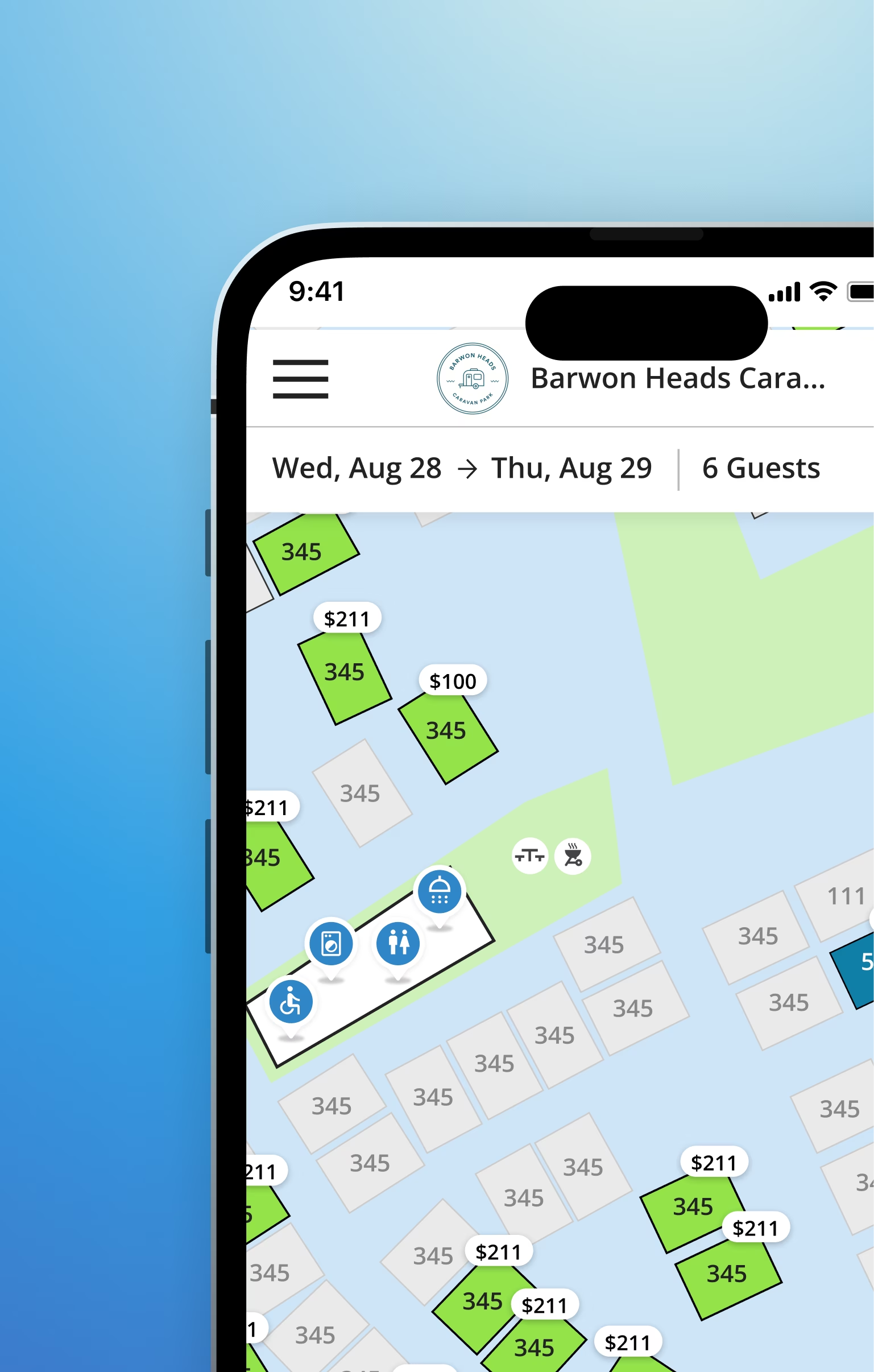
- Confusing map colours
- Payment looked spammy
- No ability to promote rooms or seasonal offers
- Too many clicks, poor tap targets on mobile
Guests were dropping off. Operators were complaining.
And once a guest completed a booking, there was nothing. No pre-arrival experience. No digital check-in. No way to manage their stay. Guests disappeared into a communication void until they arrived at the property. Two problems. One opportunity to solve both.
What guests and operators actually needed.
IBE research
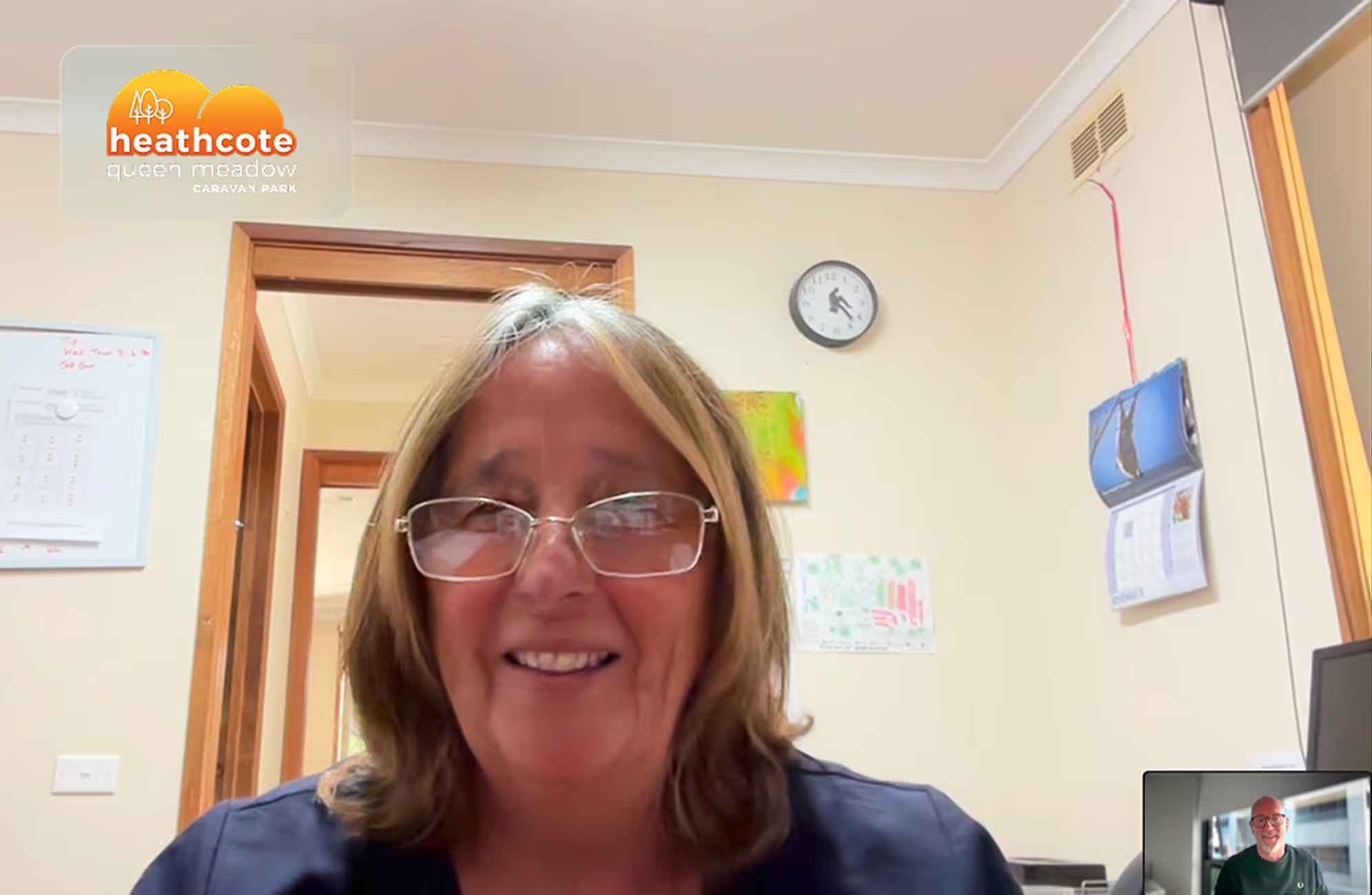
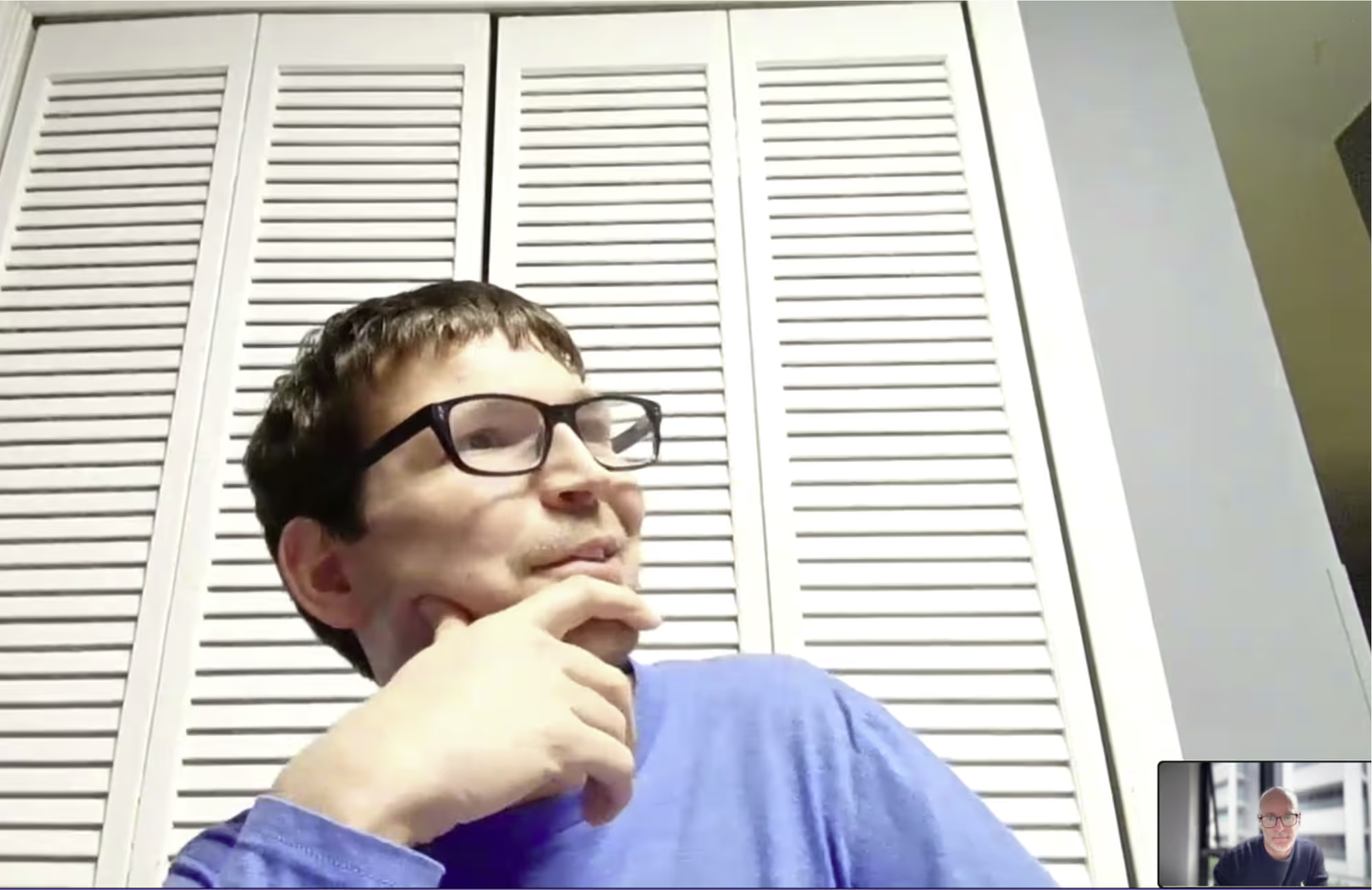
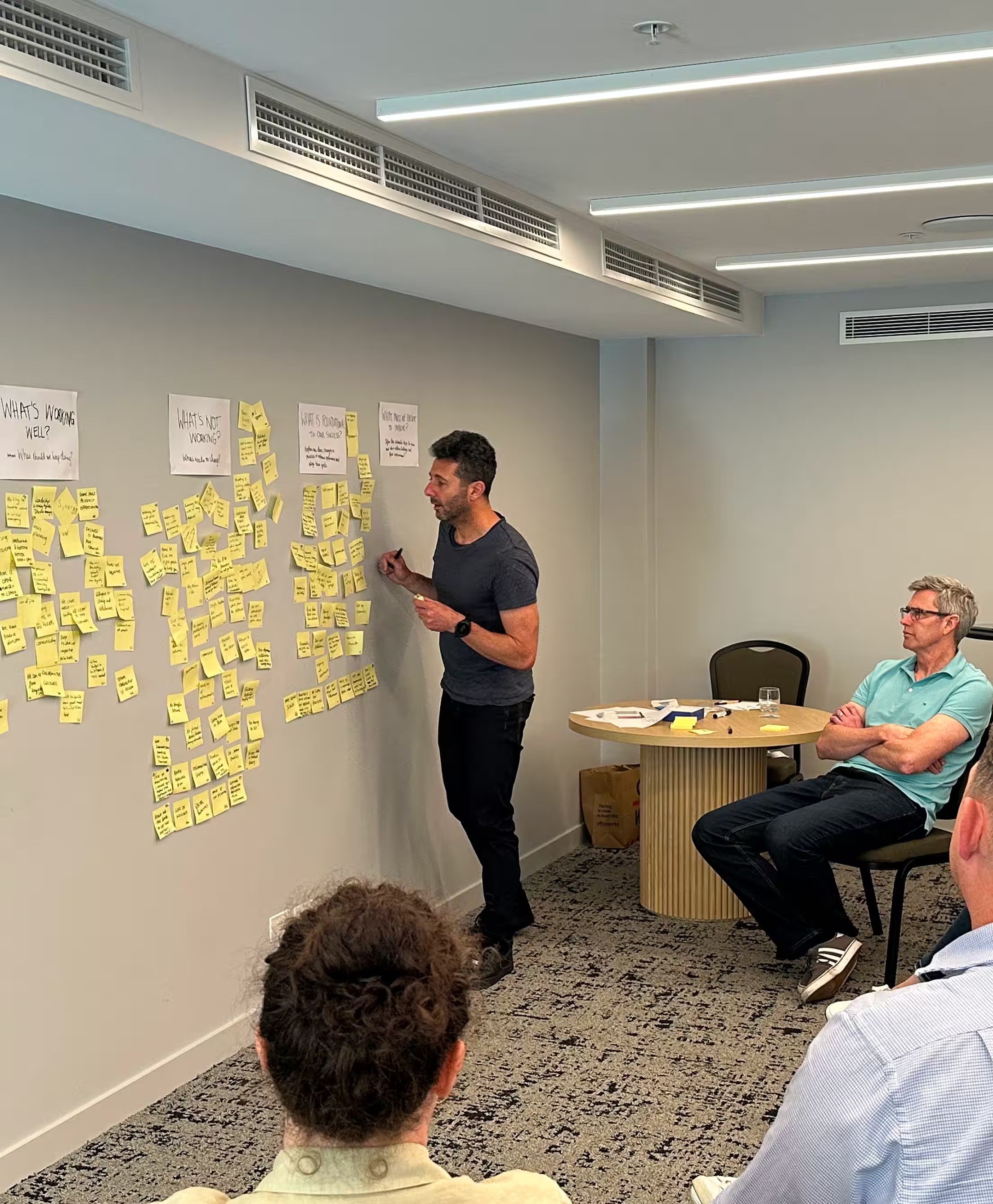
• Customer interviews with real properties, holiday parks, caravan parks and resorts, uncovering where guests dropped off. Stakeholder workshops mapping friction point by point across the full booking flow. Landing page through to confirmation email.
• Competitor analysis across leading booking engines, holiday park platforms, and hotel chains. The consistent finding: the best performers used light, intuitive design with 4 to 5 controlled customisation elements. They simplified. They didn't expand.
• Maze.co usability testing, 12 participants, A/B testing category card designs across 9 questions. Version A won decisively on clarity, CTA performance, urgency signalling, and visual hierarchy.
Guest Portal research
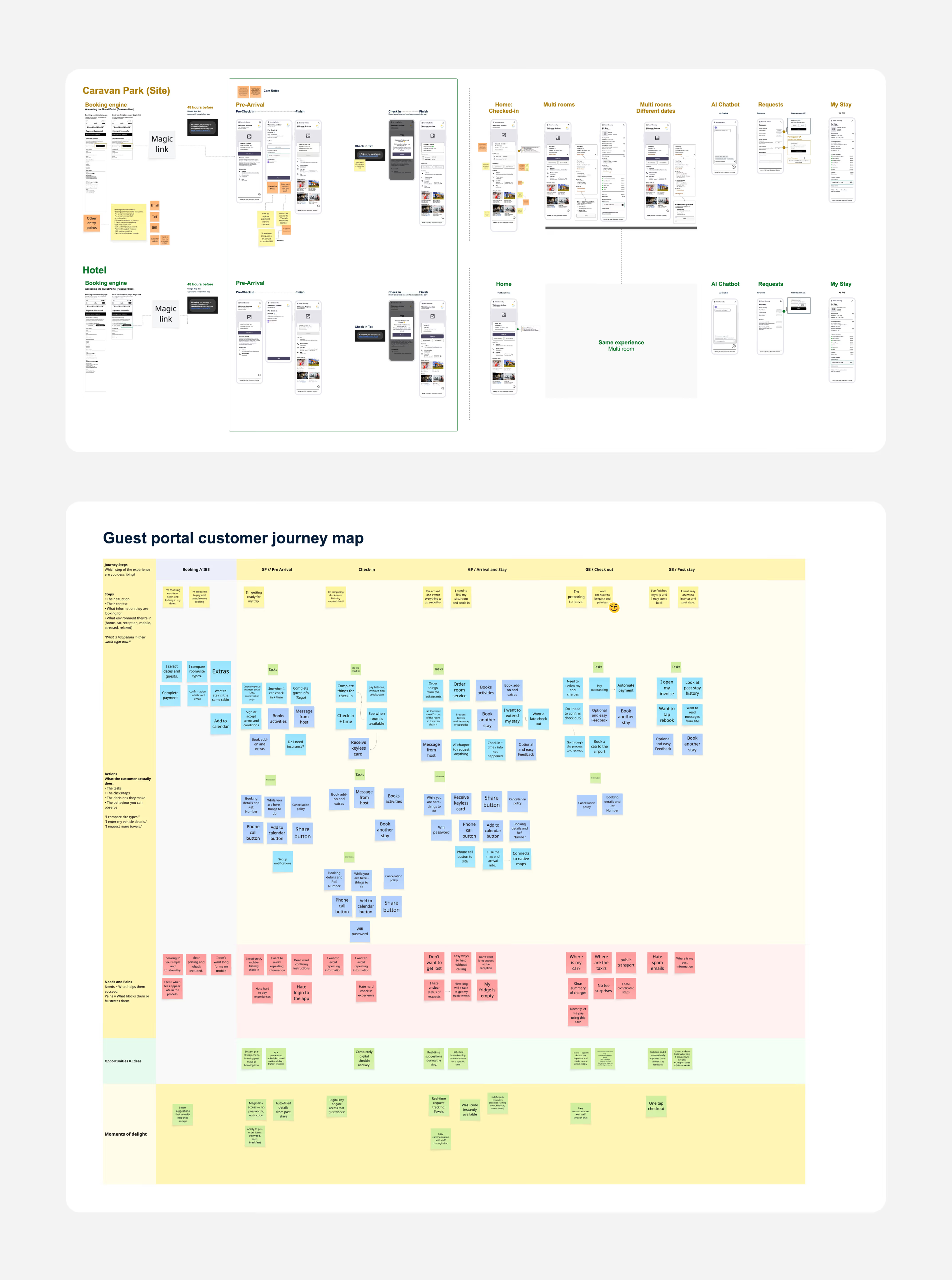
• Competitor analysis across 12 platforms including Airbnb, Marriott Bonvoy, Hilton, and Jetstar. A full customer journey map built across six stages from booking through to post-stay.
• The insight that shaped it: the Guest Portal isn't about check-in. It's about guest independence.
Building one experience for every property.
• Six principles governed every decision: 80/20 rule, design system first, evolve rather than rebuild, brand-led customisation that stays controlled, mobile first, and scaleable for AI, Guest Portal, and future data layers.
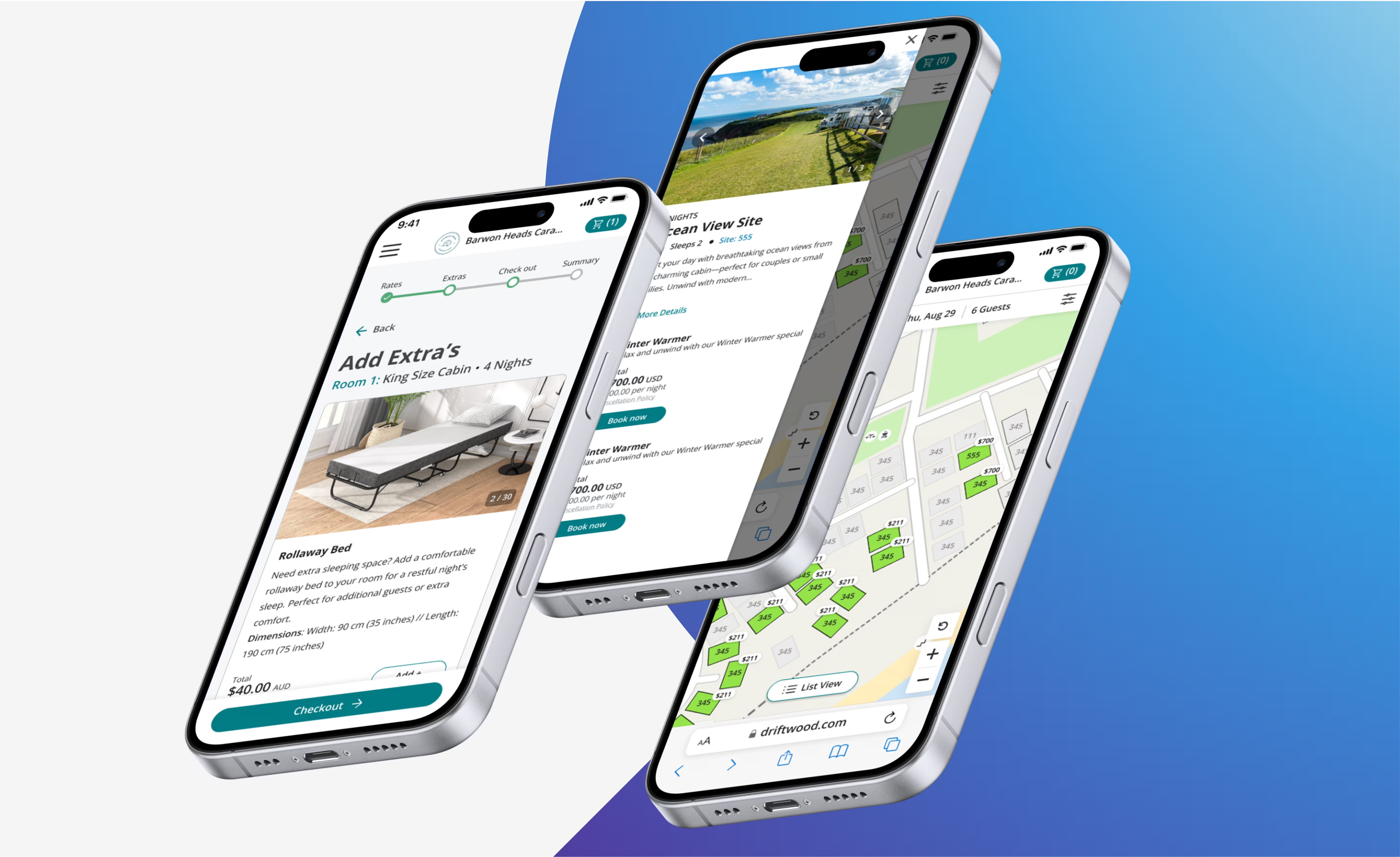
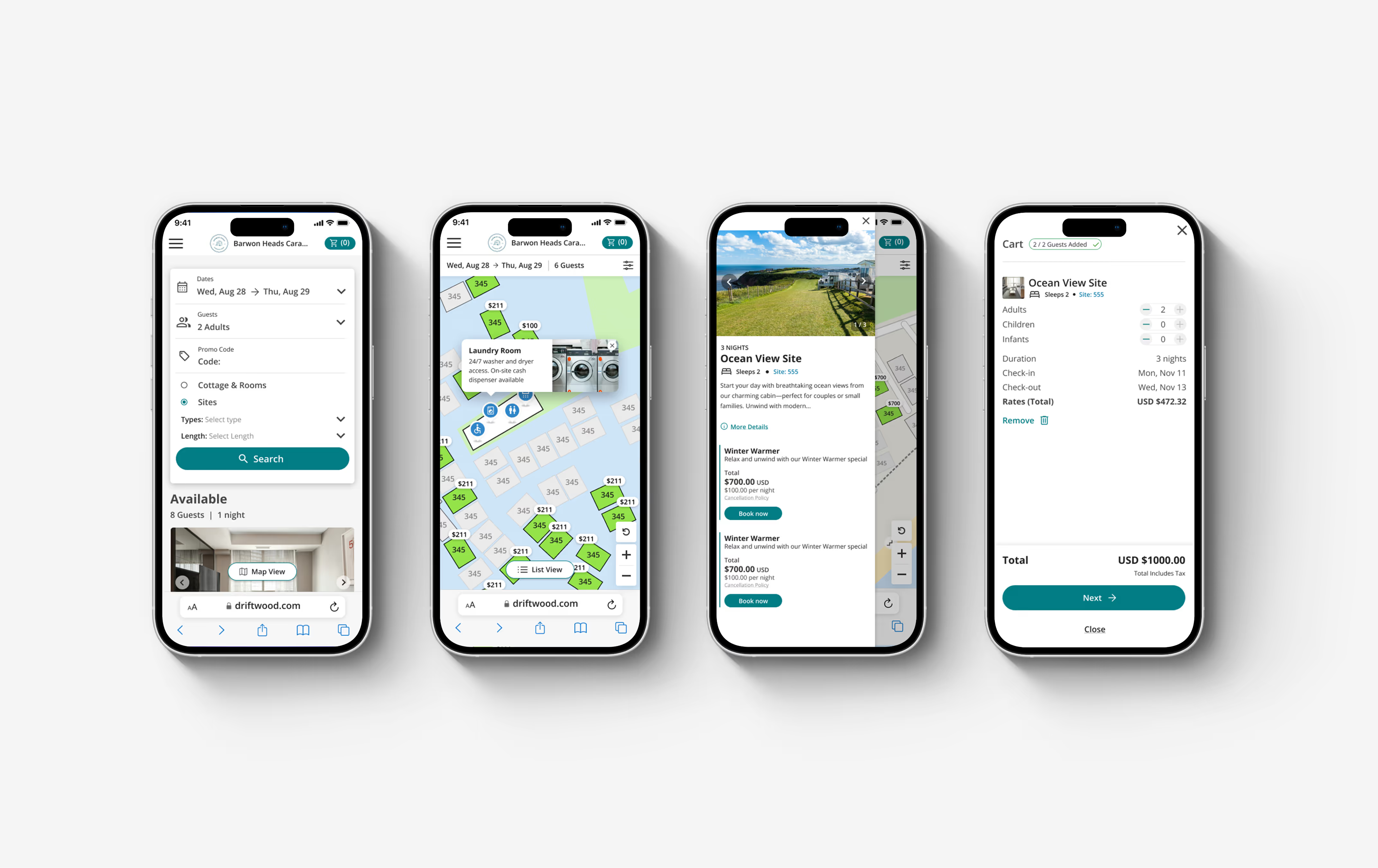
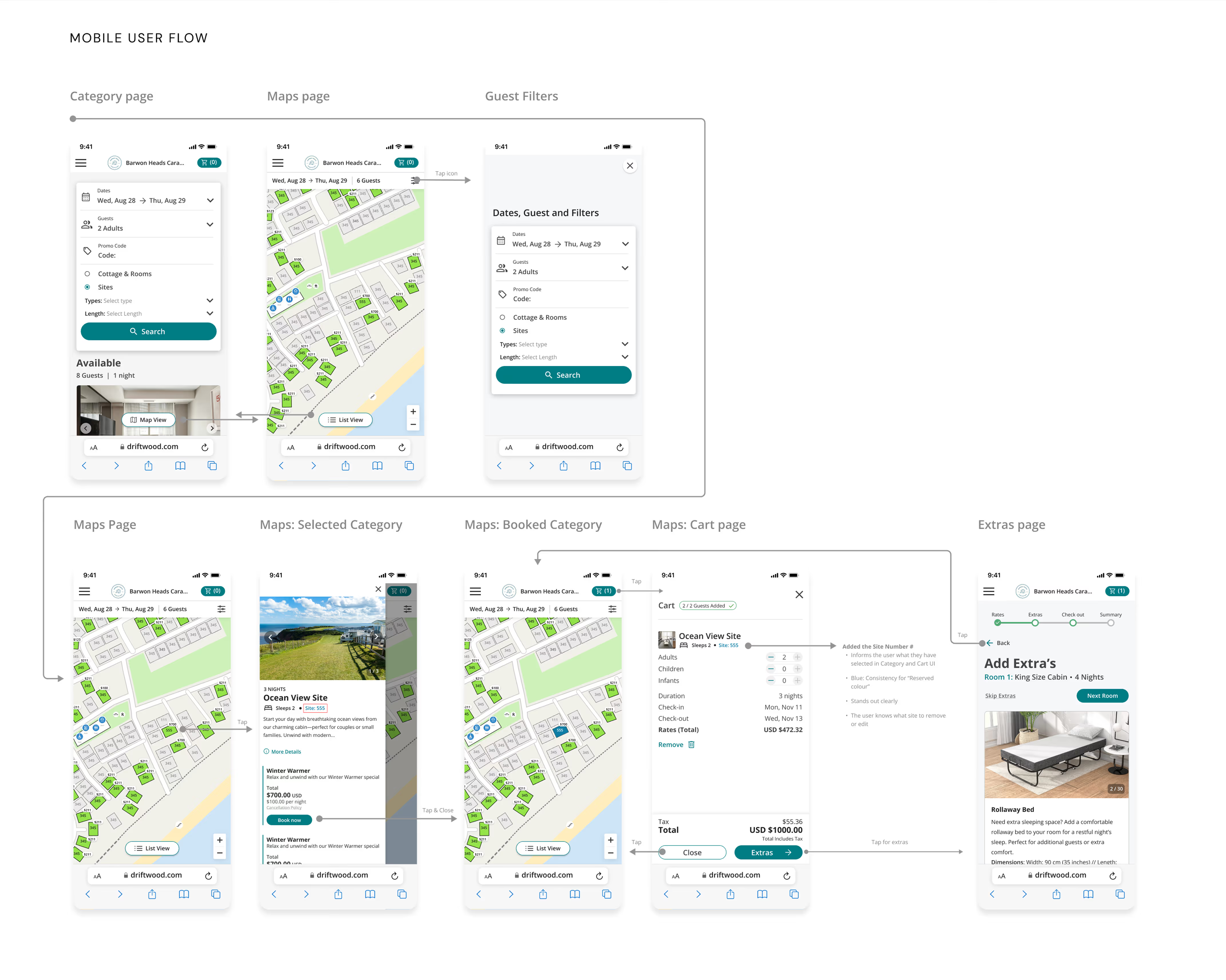
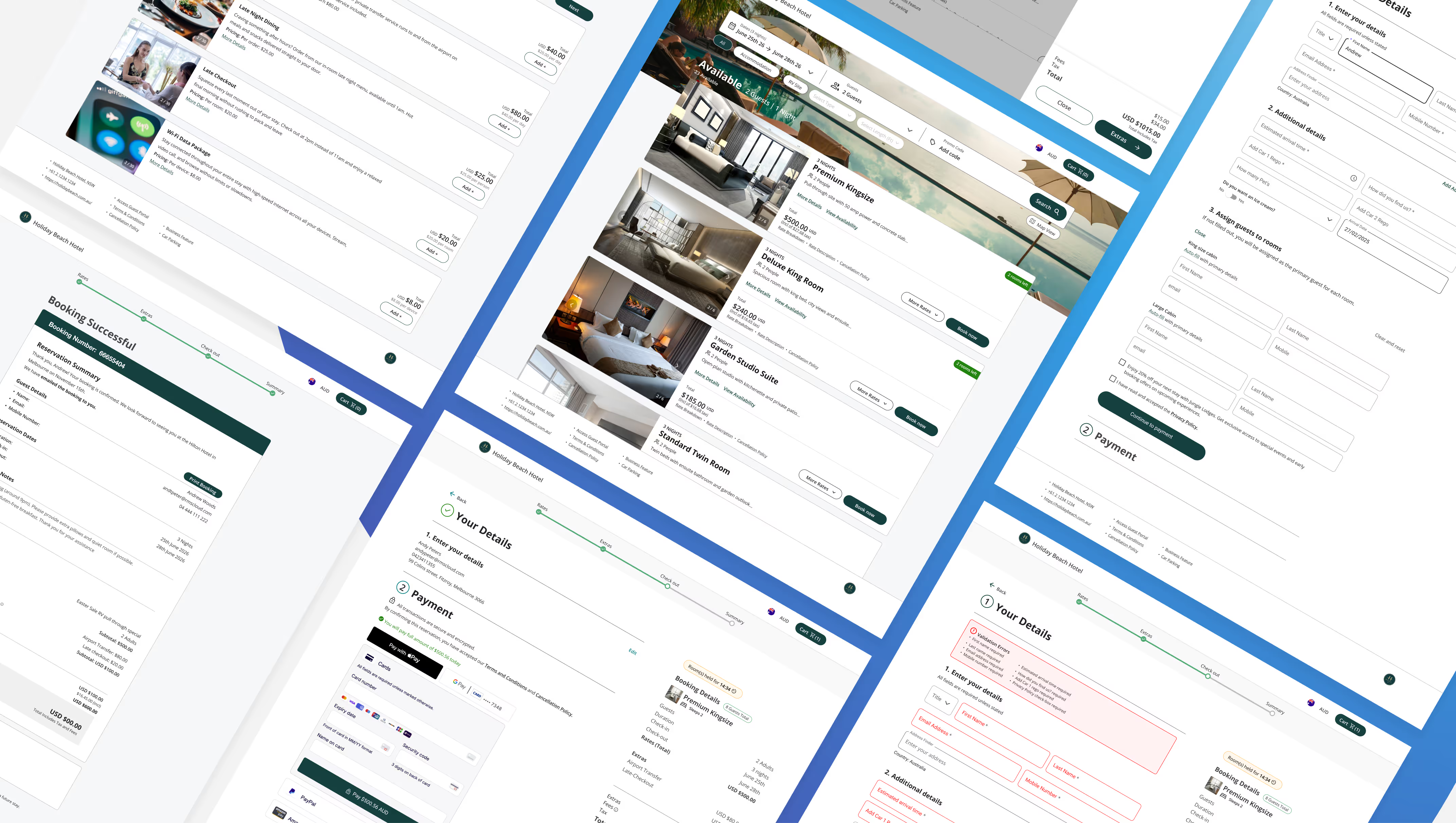
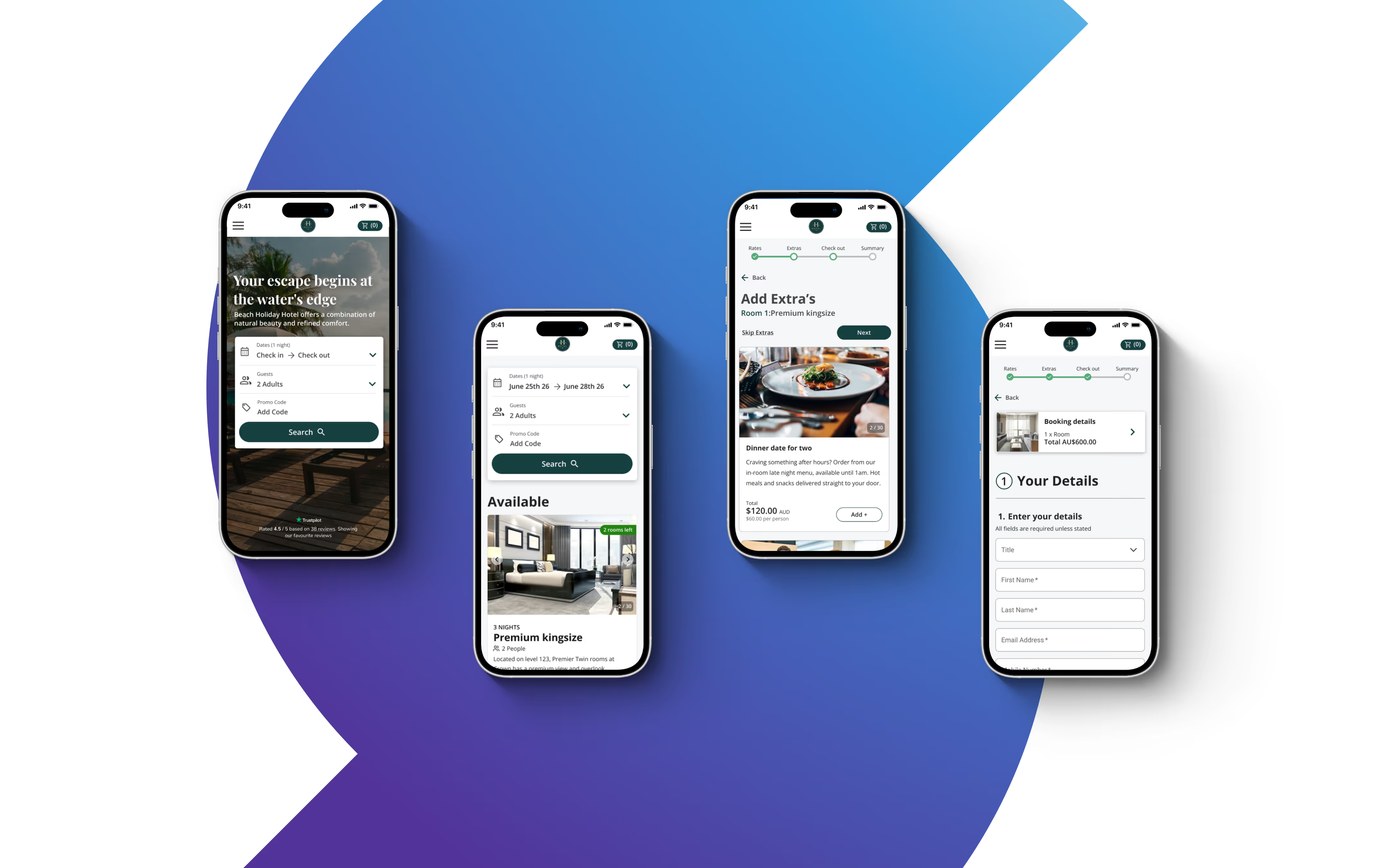
• The full booking flow redesigned from the ground up. Landing page, date picker, category and rates, extras, guest details, payment, and confirmation email.
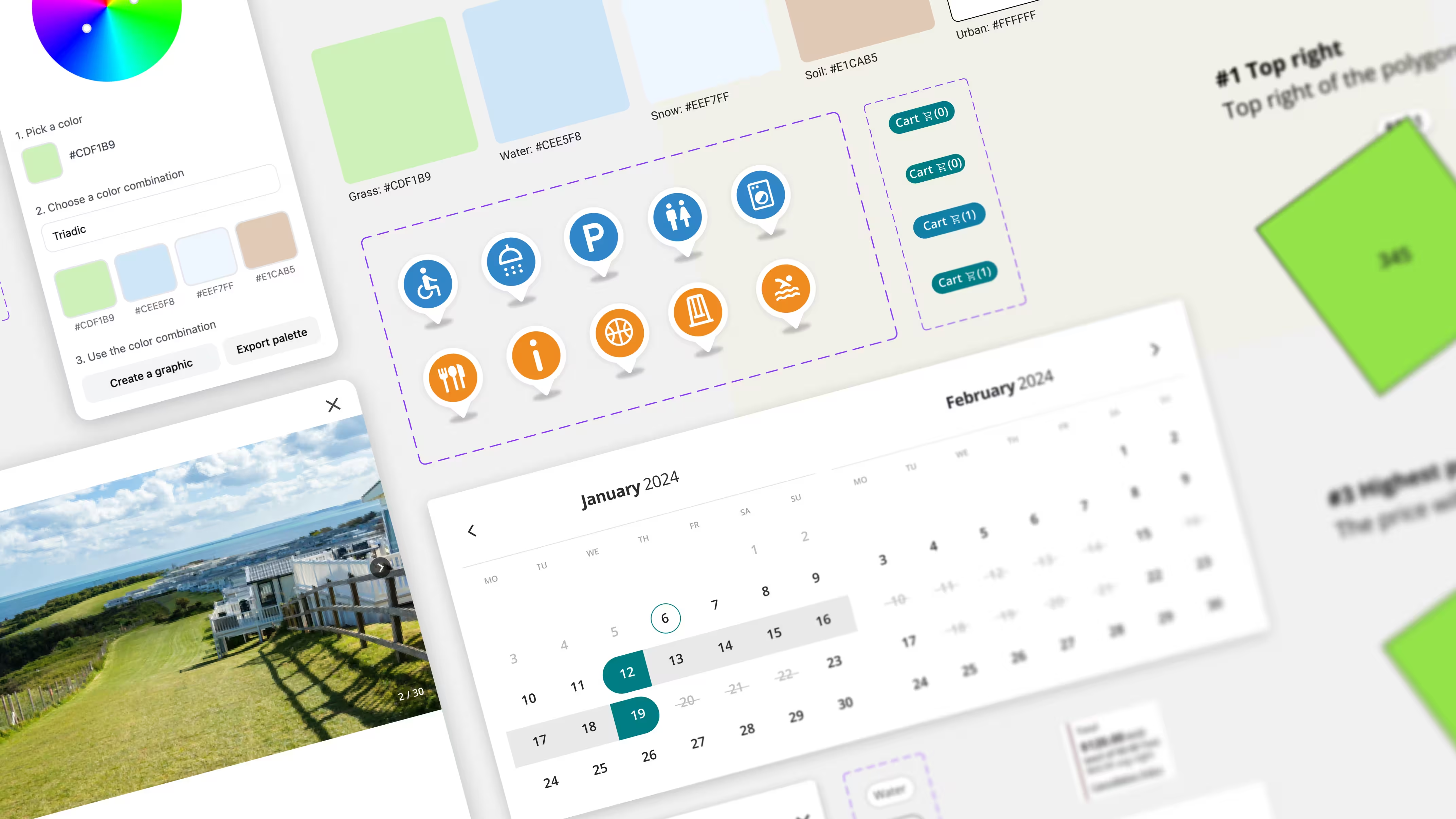
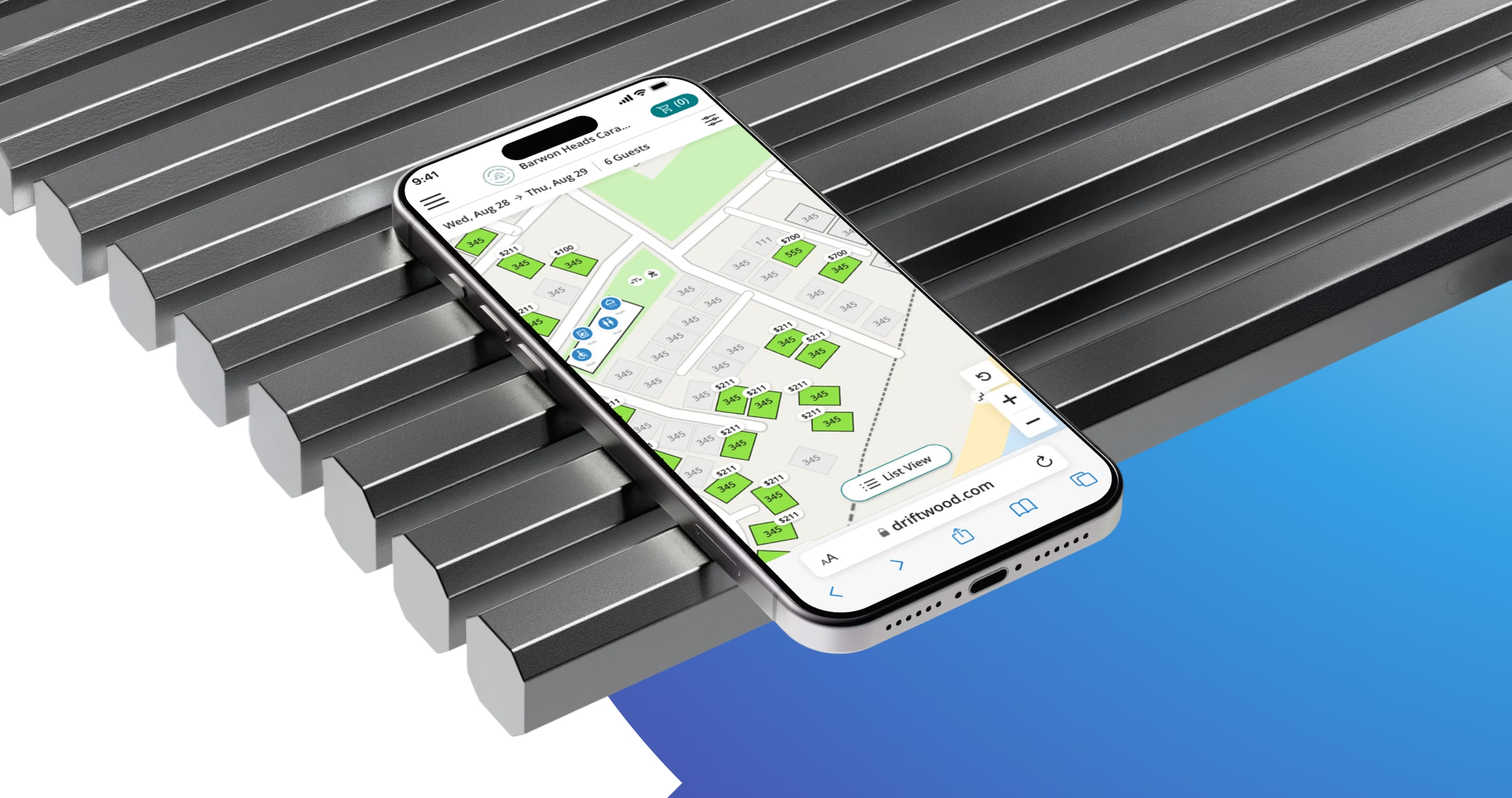
• Category page introduced attribute-based filtering, accommodation type tabs, and a Map View toggle connecting to RMS Interactive Maps. Card design tested through Maze across multi-rate and single-rate variants.
• Payment rebuilt around trust. Apple Pay, Google Pay, Afterpay, and card. Clean, secure, no iFrame embeds.
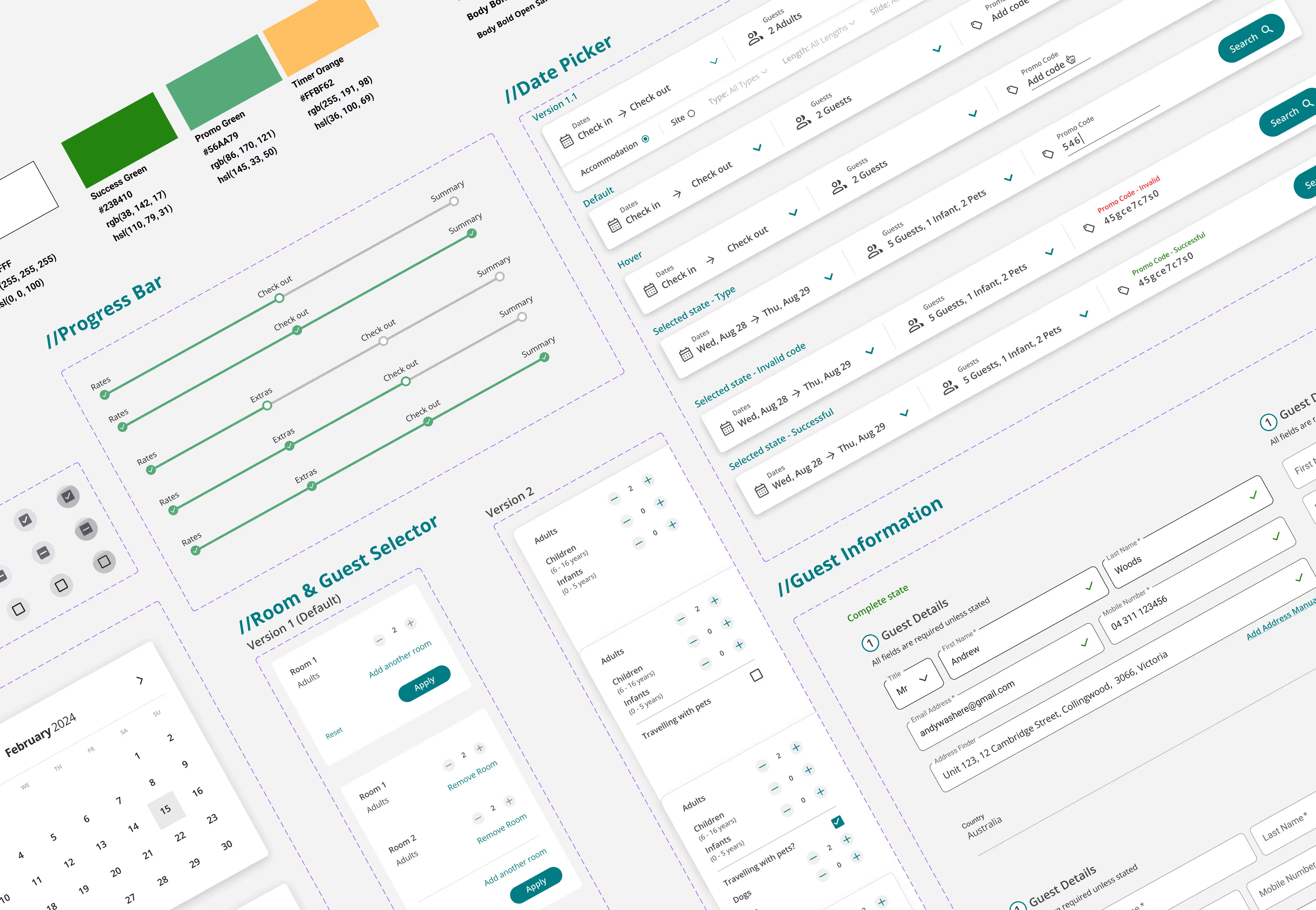
• Full Material UI component library built and handed to engineering with complete documentation. Ready to build from day one.
.avif)
Guest portal
The IBE gets guests through the door. The Guest Portal keeps them there.
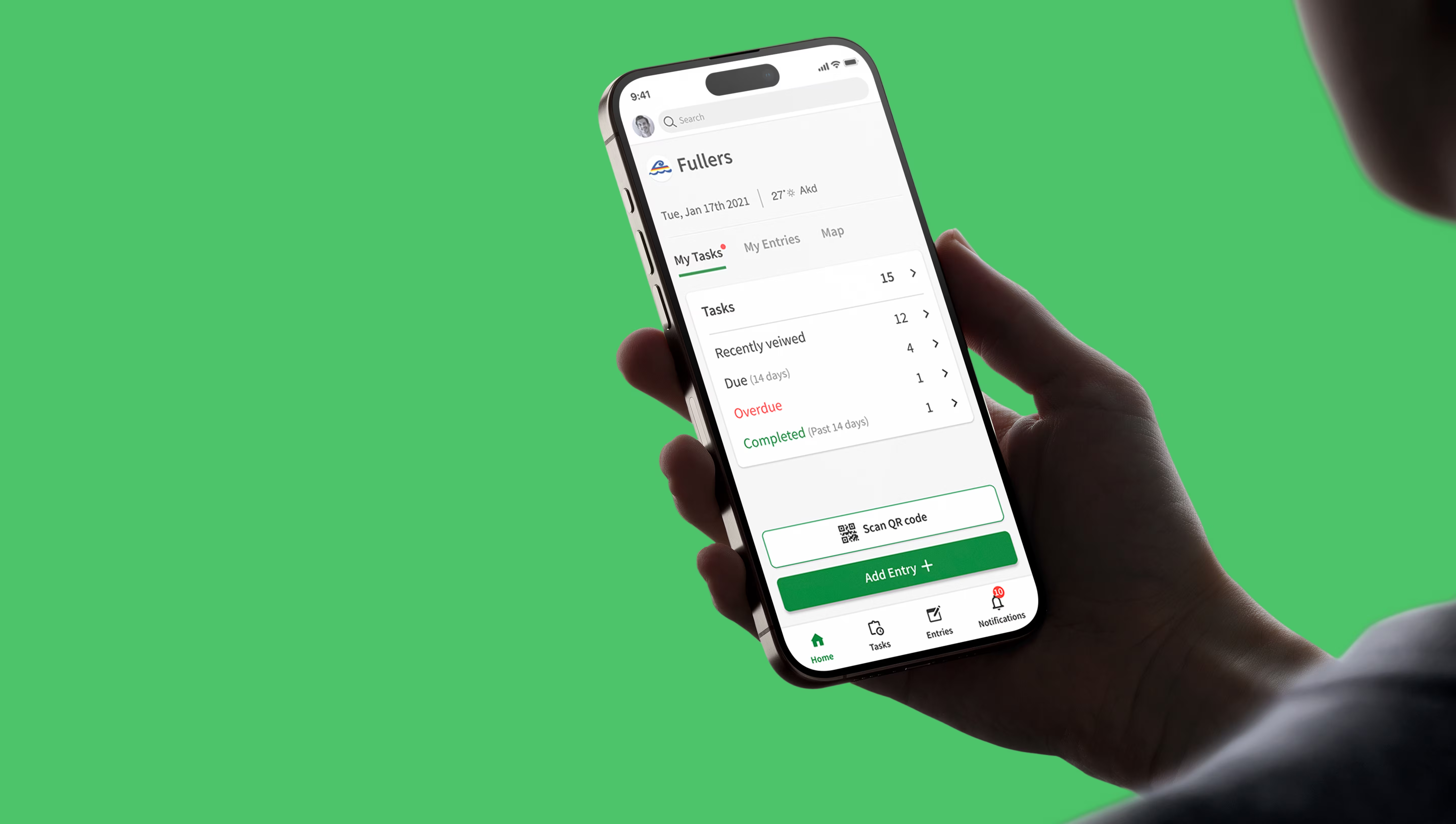
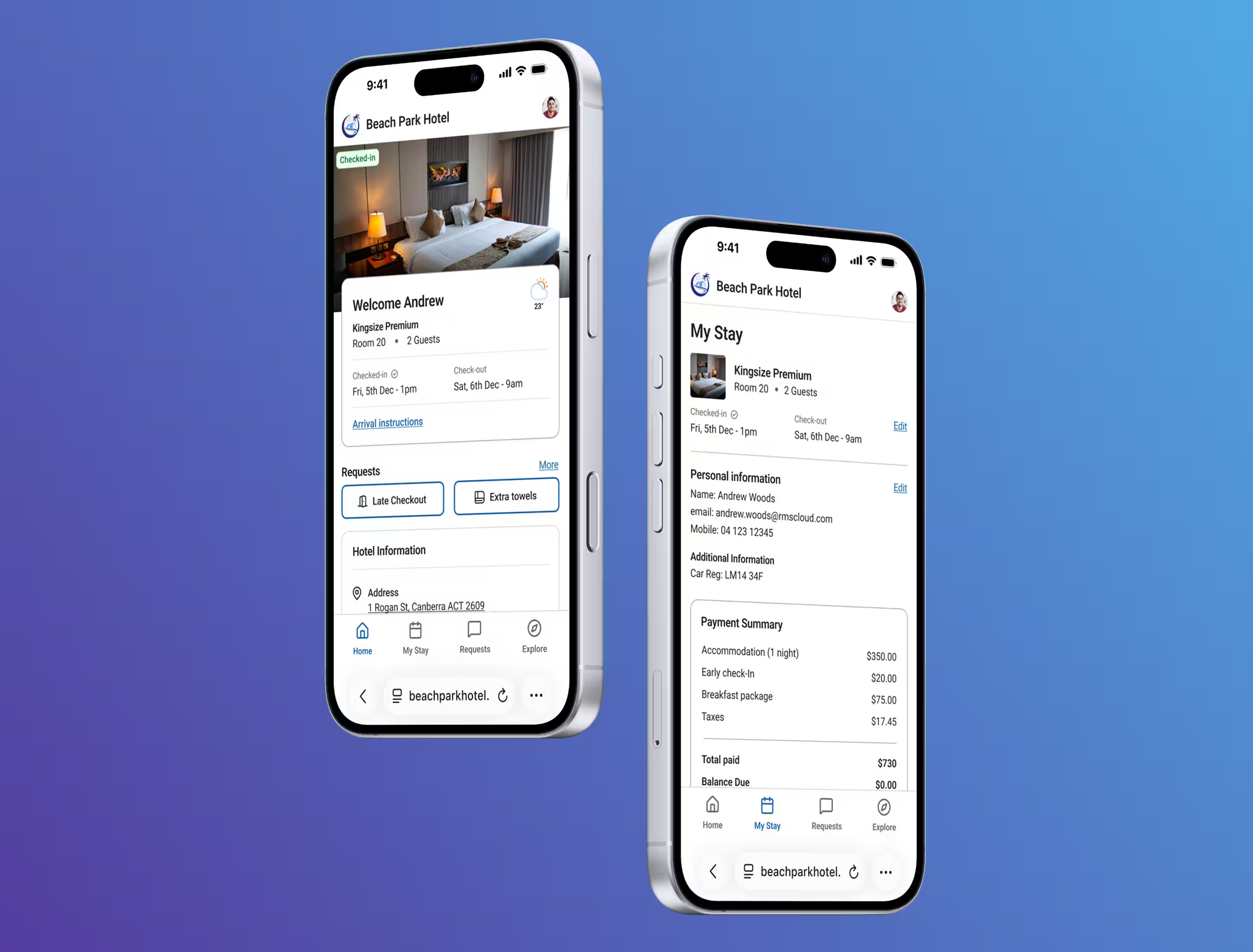
The post-booking layer connects directly to the IBE. One seamless experience from first search through to post-stay. MVP defined by the 80/20 rule. Pre-arrival form, pre-check-in, and check-in notifications. Magic link authentication, group bookings, no password required. Everything else is additive.
Designed for scalability and further releases. Payment confirmation and one-tap checkout. Digital check-in with keyless entry and WiFi codes. AI chatbot handling in-stay requests, from towels to late checkout, without a phone call to reception. Post-stay history and rebook.
Design researched, complete, and validated. MVP currently in build through an AI pipeline using Claude Code.

A new model for how product gets shipped.
The Guest Portal is the first RMS product built entirely through Claude Code and Anthropic's AI tools, with an untitled React design system as the foundation.
The pipeline generates production-ready code directly from design intent, removing the traditional gap between design and engineering.
This isn't just a faster way to build. It's a fundamentally different model for how product gets shipped at scale. I built the pipeline alongside another lead product designer. Build commenced June 2026.
.avif)
What two years and one designer taught me.
Constraint is a design tool. Every decision had to work for a caravan park in Queensland and a resort in North America simultaneously.
Legacy products define the pace of progress. You can't outrun the system you're building on. Working with what exists, rather than against it, is what keeps projects moving.
Cross-functional teams win. Silos don't ship. The work got better and faster in the moments when design, engineering, and product were aligned.