Client: Les Mills International
Simple Case Study
Role
Lead Product Designer
TEAM
Design, Engineering, Product, Marketing, Growth, QA
Platform
iOS, Android
01 — Overview
Results
RMS is one of the world's fastest-growing property management platforms, used by holiday parks, caravan resorts, hotels, and specialist facilities across 70 countries.
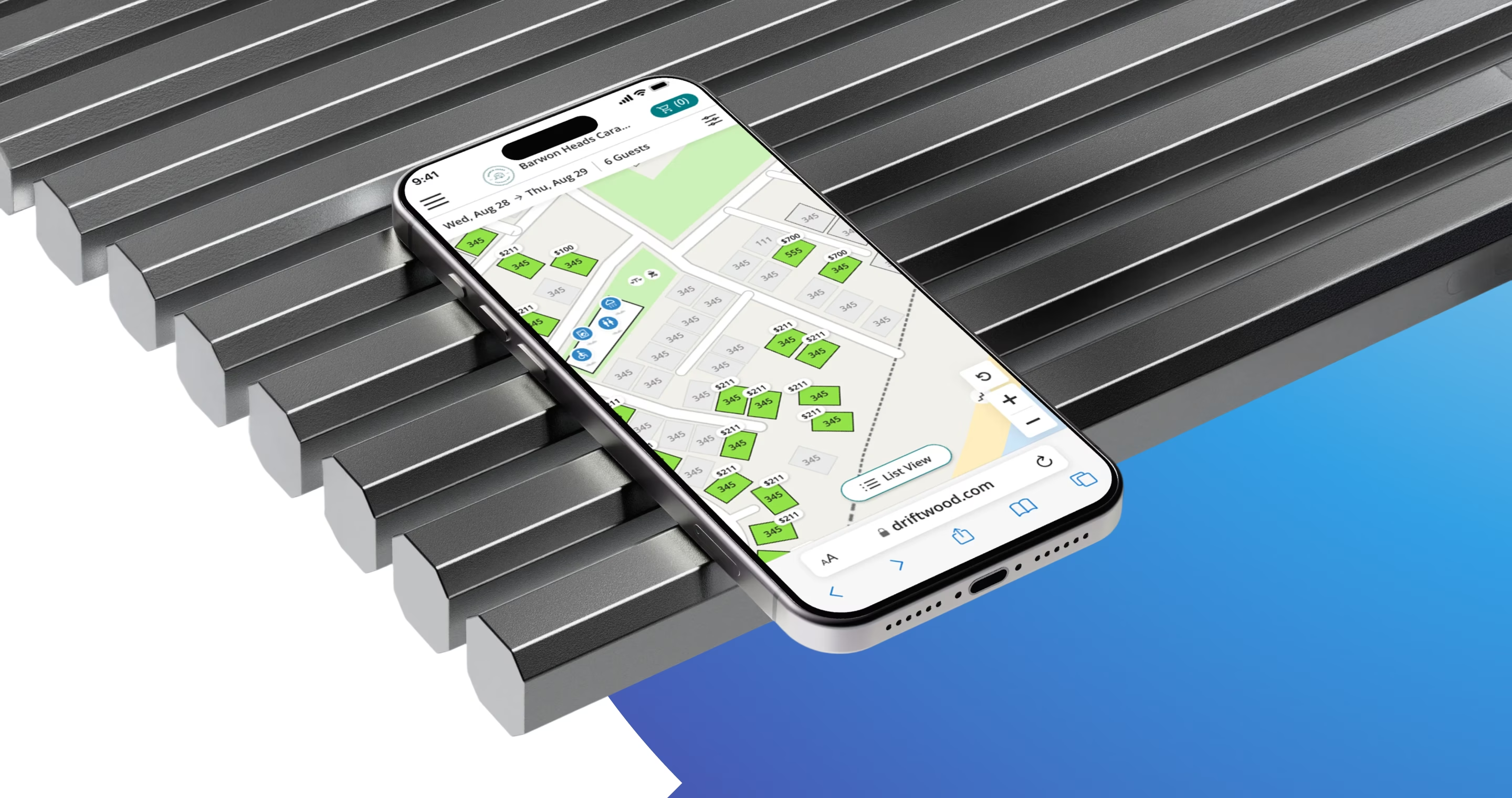
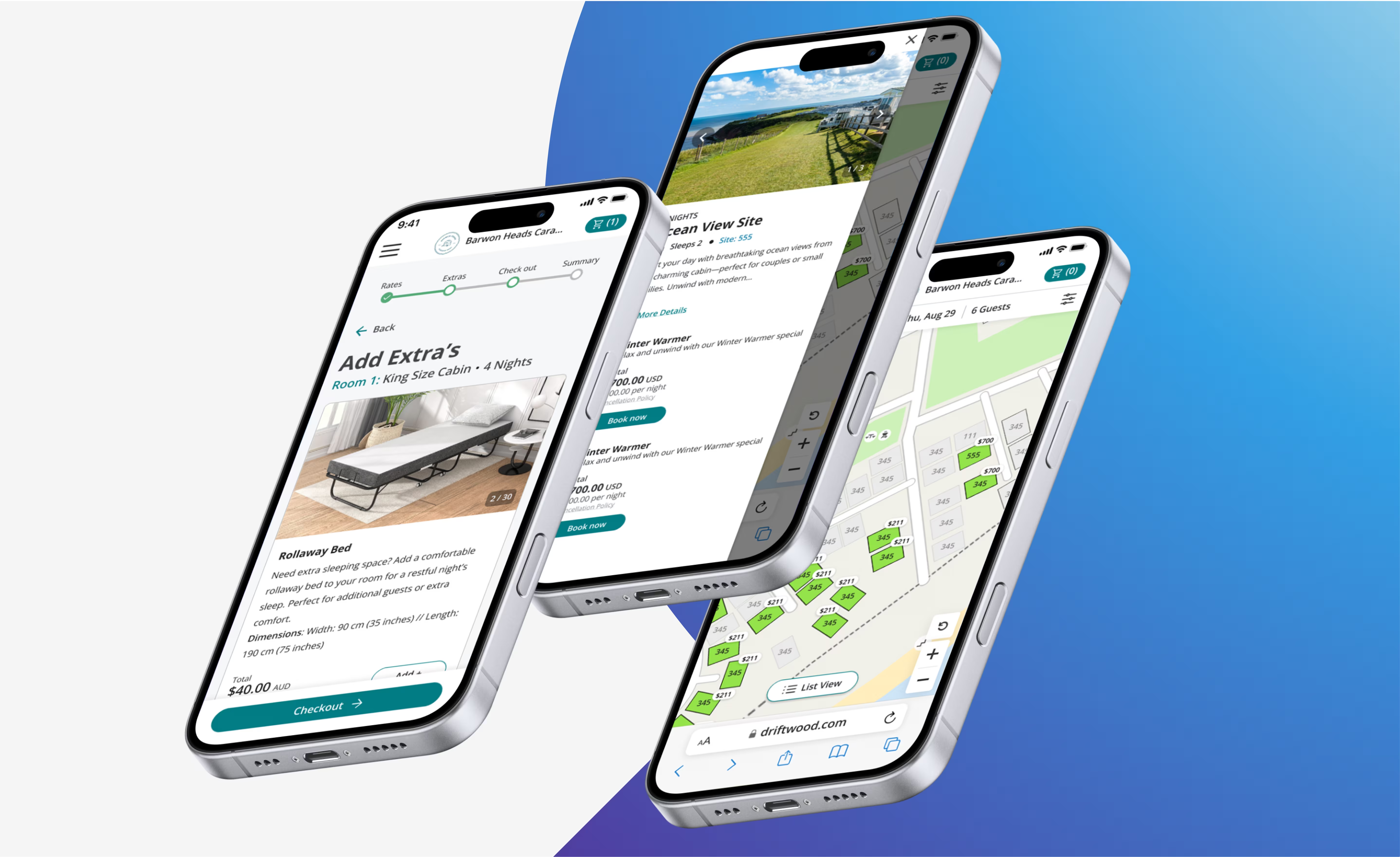
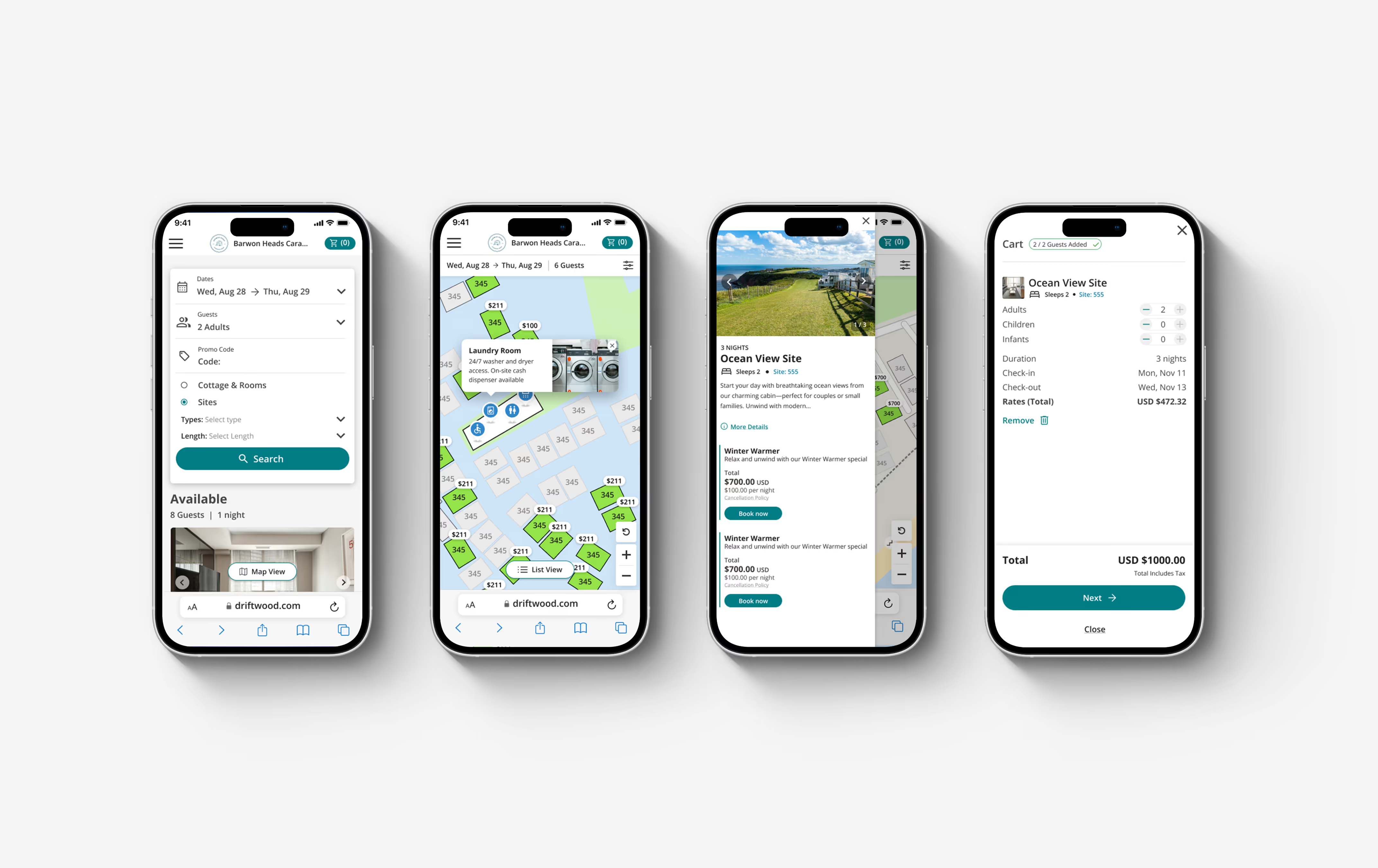
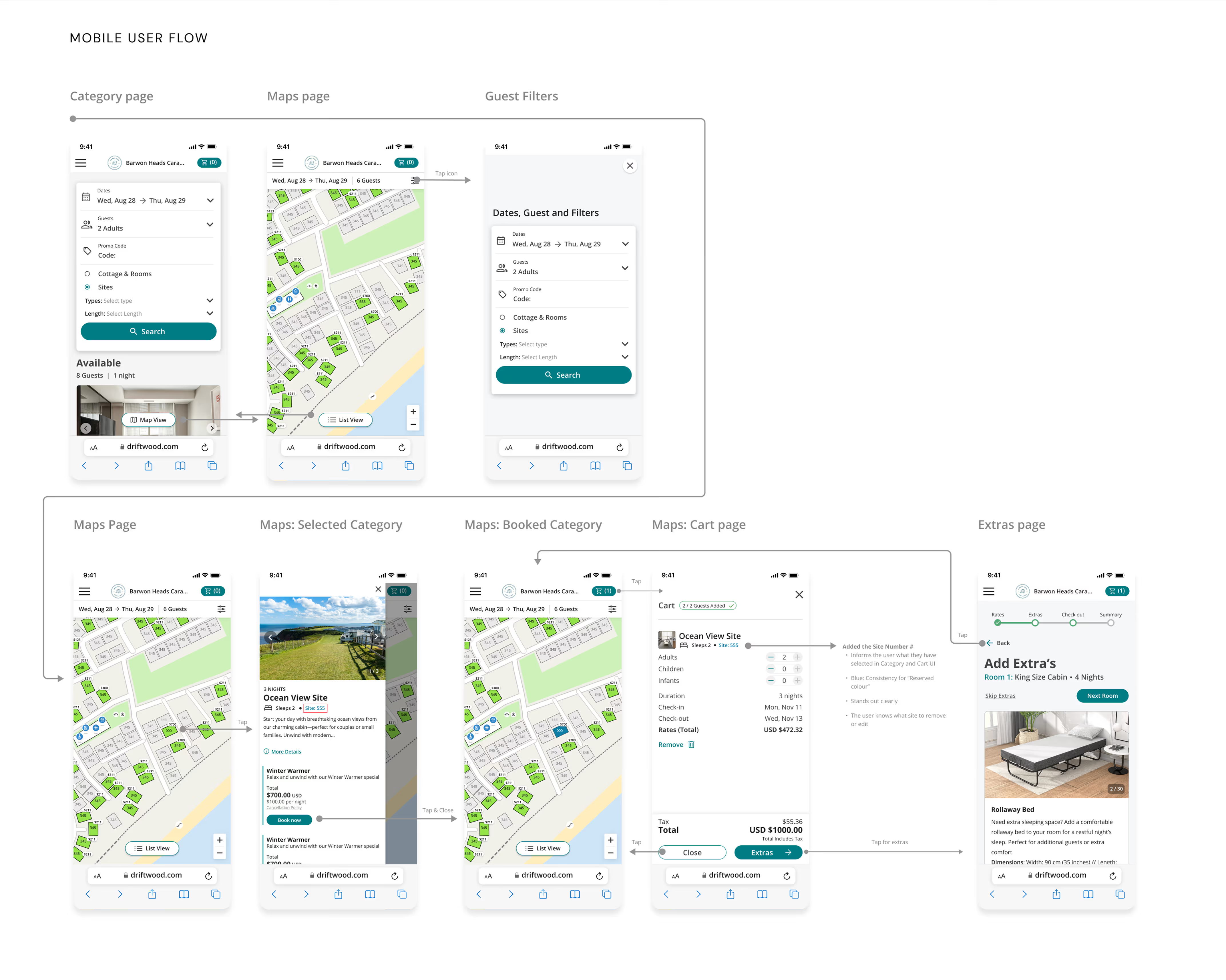
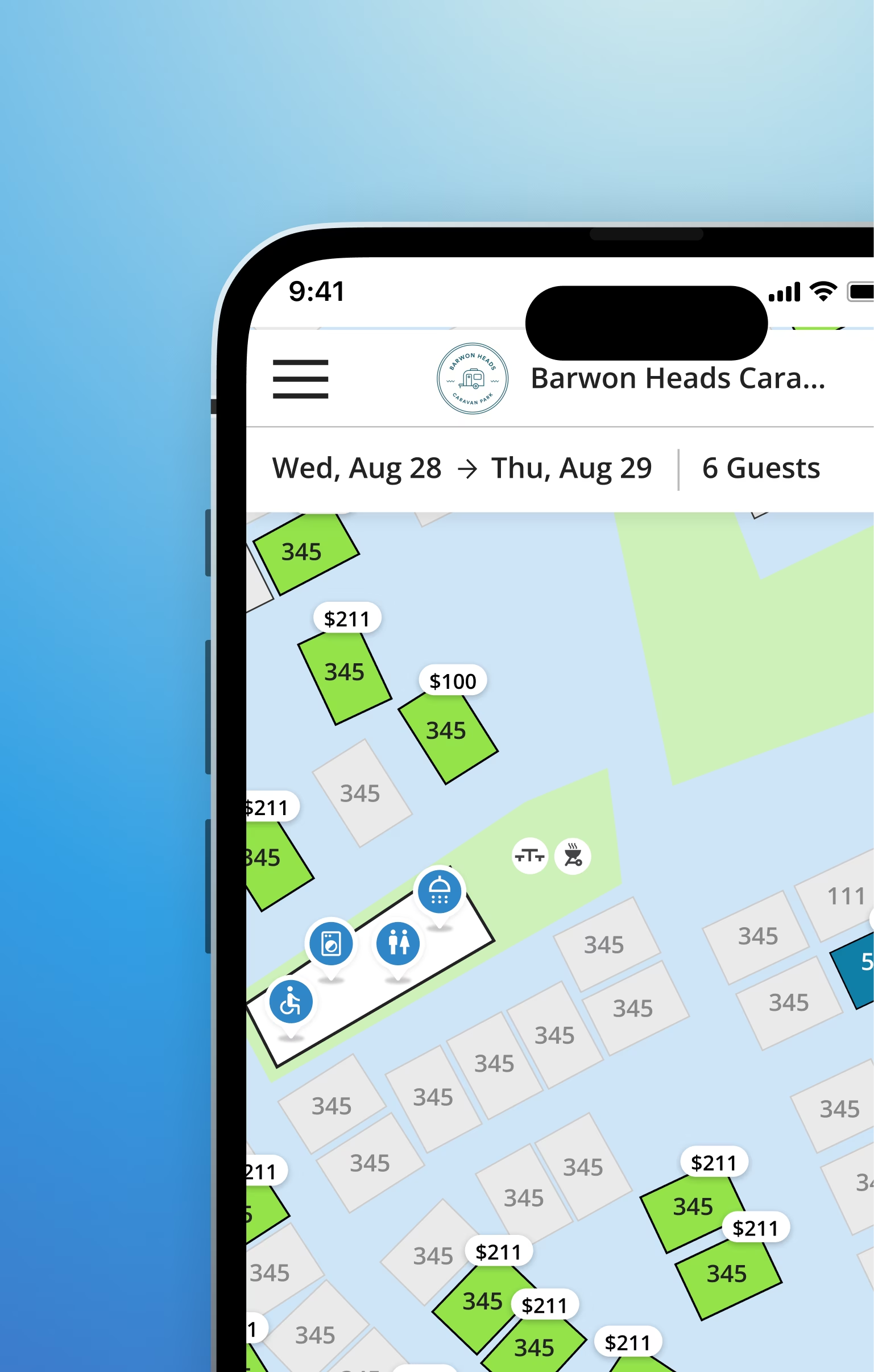
For physical sites — campgrounds, caravan parks, glamping resorts — letting guests choose their exact spot is core to the booking experience. The old map system was broken. I was brought in to replace it entirely.
The solution shipped globally. Retention improved for properties using the maps feature. The prototype became an active sales tool to win new customers.
01 — Overview
Results
RMS is one of the world's fastest-growing property management platforms, used by holiday parks, caravan resorts, hotels, and specialist facilities across 70 countries.
For physical sites — campgrounds, caravan parks, glamping resorts — letting guests choose their exact spot is core to the booking experience. The old map system was broken. I was brought in to replace it entirely.
The solution shipped globally. Retention improved for properties using the maps feature. The prototype became an active sales tool to win new customers.




%202.avif)


%201.avif)
.avif)

.avif)